Science
British Science Week
St. Edmund’s Science Week Exhibition – Thursday 12th March 2026
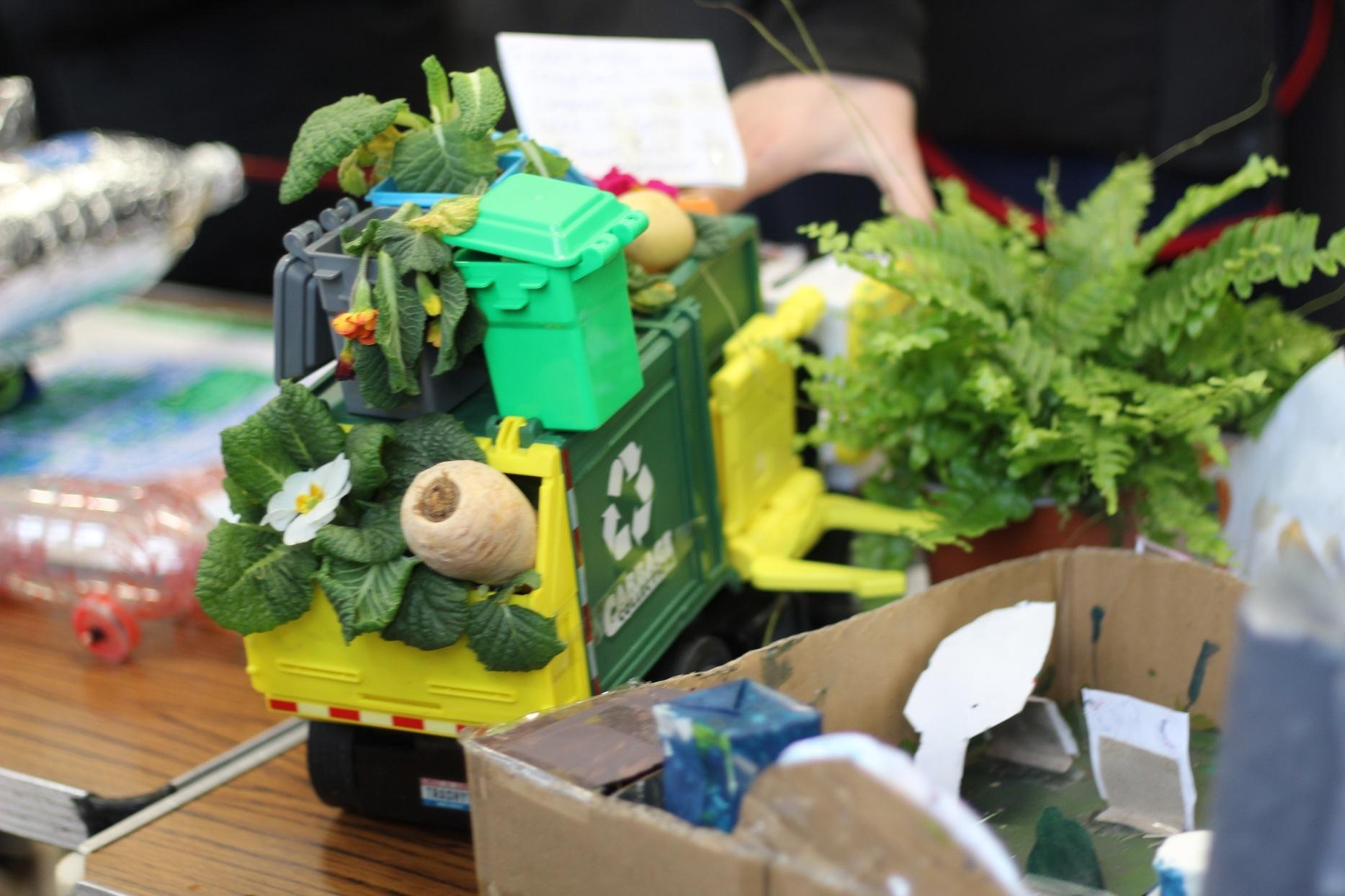
Our recent Science Week Exhibition was a resounding success, transforming the school hall into a hub of environmental innovation. Focusing on the urgent theme of combatting Climate Change, students from across all year groups showcased their creativity through a series of impressive 3D models. From intricate designs for "farms of the future" to functional prototypes of solar-powered systems and water conservation units, the ingenuity on display was truly inspiring. It was wonderful to see so many pupils and parents engaging with the exhibits, as pupils confidently explained the scientific principles behind their ideas for a more sustainable planet. This event not only highlighted our pupils' technical skills but also their deep commitment to finding real-world solutions for a greener future.
A big thanks to our parents for supporting the children with the projects work.
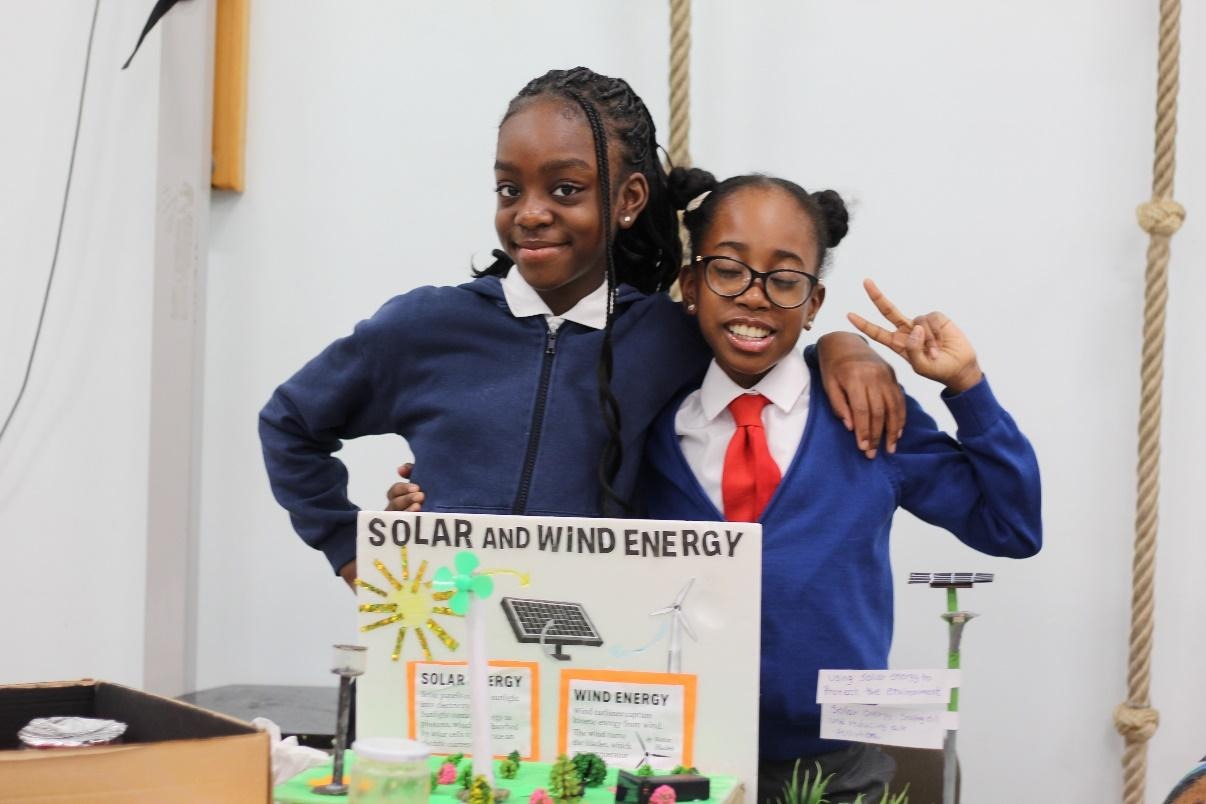
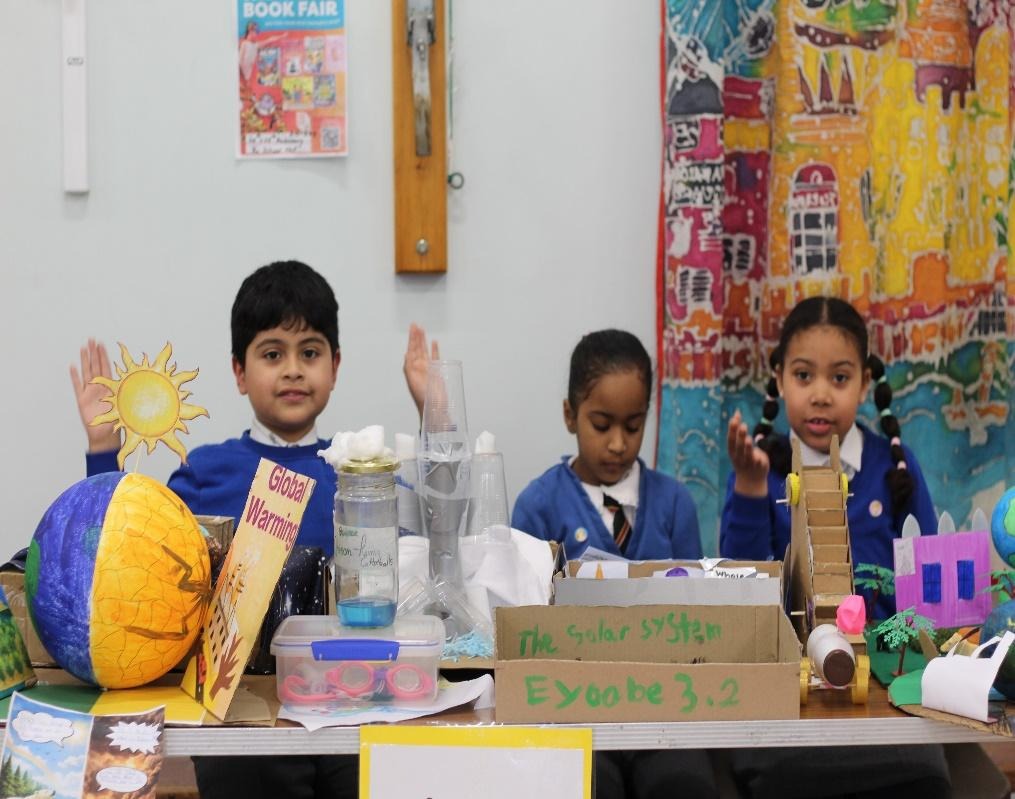
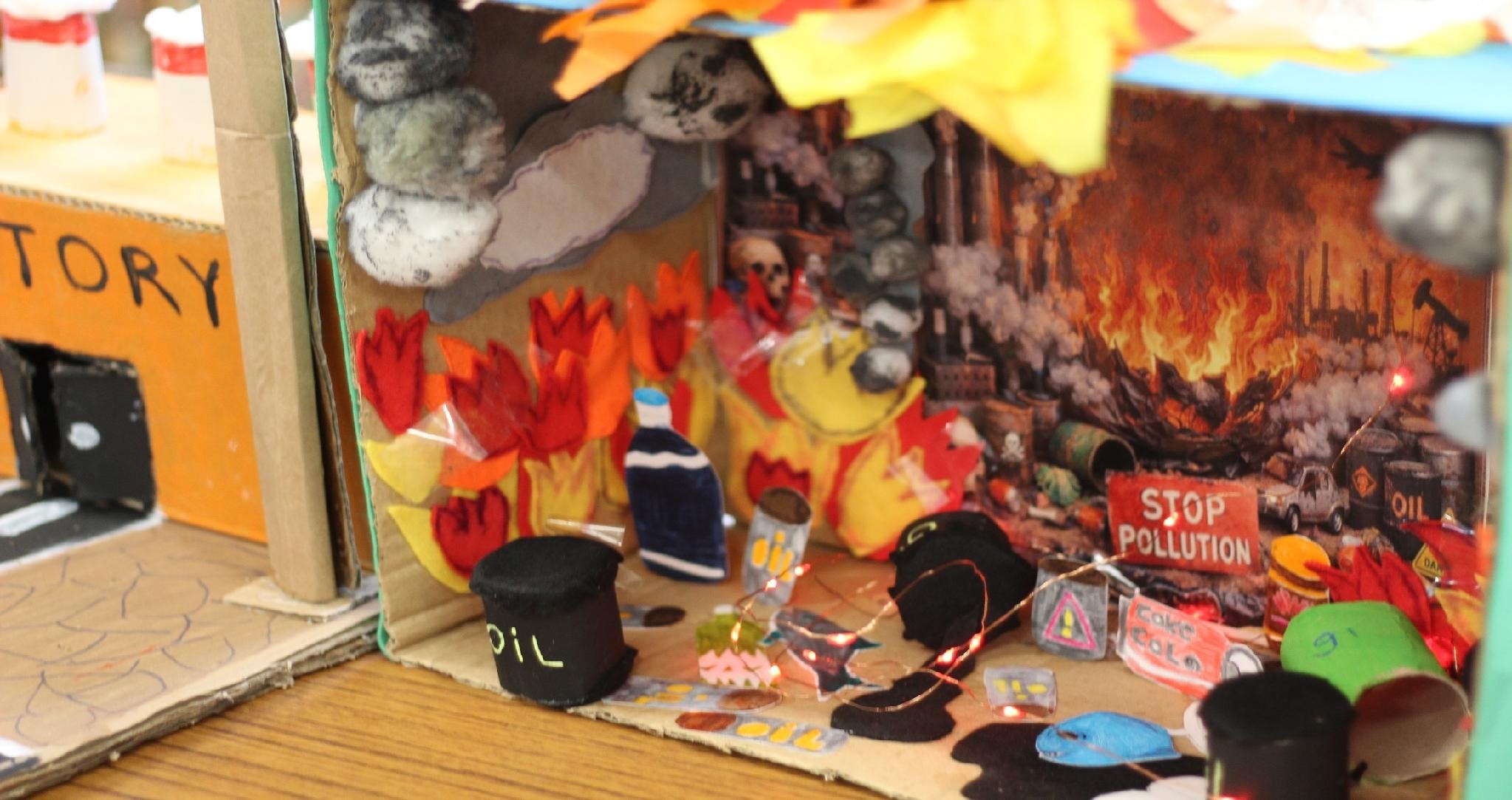
BRITISH SCIENCE WEEK
For Science Week last year, our theme was ‘The Changing Climate: Adapting to Sustainability’. Throughout the week, children across the school learnt
This theme focused on actions that create a sustainable future for our planet through scientific ideas and innovations that allow us to navigate, adapt and respond to the changing climate conditions. During the two weeks celebration, we encouraged every child from Reception to Year 6 to carry out a Science Project as part of the celebration. Projects were carried out at home and sent in to school.
Prizes were awarded for each Class winner as well as those who have shown considerable effort. The projects were judged and winners announced. This was followed by an exhibition of the children’s work on Thursday 12th March whereby parents were invited to take part.
We encouraged parents to support and inspire their children in developing their projects. Whether it’s a hands-on experiment, a scientific model, or a creative display on the theme – ‘The Changing Climate: Adapting to Sustainability’, there are endless possibilities to explore. We gave the children the option to carry out their projects individually or as a group, and welcomed all levels of involvement. Projects were in a form of - 3D objects, posters, ICT based or models. It was a huge success.
British Science Week Certificate Download
Plymouth Science Schemes of Work
Pupil Voice 22 /23
What is Science?
"Learning about the world which we live in and how we can improve it" (Year 6)
"Being inquisitive about different things in our world" (Year 6)
"When we discover more about our surroundings and the people who have impacted our life like Thomas Edison and Edward Jenner" (Year 5)
"Science is when we do experiments to help us learn more about the world and the people who have changed our world" (Year 3)
"When we use the science skills to help us learn about something particular in our world" (Year 5)
What do you like about Science, and how do you feel at the start of a lesson?
"I feel curious of what we are about to learn because sometimes when we do experiments unexpected things happen" (Year 6)
"Excited, especially when I know we are going to be doing experiments" (Year 6)
"Wonder, because I never know what is going to happen." (Year 5)
"I feel excited because I know it will be fun; I especially like learning about the different scientists." (Year 5)
"I feel excited because it is my favourite subjects." (Year 3)
"I have felt happy because I am the Super Scientist in my class." (Year 3)
"I like science, and I know I am good at it." (Year 1/2)
How do the knowledge organisers help you with your learning?
"If we are unsure we can always go back and look at the information." (Year 6)
"I find the vocabulary helpful to use during lessons and also helps we learn new words." (Year 6)
"They can help when we do our Can I Still..." (Year 5)
"They give information from past lessons." (Year 4)
"They help me put my knowledge in order and remember what we did last time." (Year 3)
"All the words are helpful because I know they are the words I should be using in my work." (Year 3)
What has been your favourite thing to do in Science?
"Science Week each year!" (Year 6)
"When we do science experiments because they are fun and help me to remember my lessons." (Year 6)
"Science week because we learn what they other classes have been learning about also." (Year 5)
"All the learning we do about scientists, shows me how / what I must do to become a scientist." (Year 4)
"The chance to become my class Super Scientist." (Year 3)
"When we test things to see if they are true or not." (Year 1 /2)
What is the hardest thing about Science in our school?
"Proving a theory and making predictions." (Year 6)
"Sometimes the vocabulary is hard." (Year 5)
"The cold tasks before a new topic are hard." (Year 5)
"Cold tasks are hard, but I feel happy when I do the hot task because I know I have improved." (Year 4)
"When we do research tasks sometime there can be too much information." (Year 3)
"Sometimes the words are hard and what they mean." (Year 1/2)
How could Science be improved?
"Even more experiments and equipment to do them." (Year 6)
"Have more visitors to help us learn Science." (Year 5)
"Even more resources." (Year 5)
"Even more lessons about scientists." (Year 3)
Next Steps...
- Science leader to investigate ordering new resources to support learning in KS1 and KS2.
- To ensure science skills are correctly planned for and children have opportunities to work scientifically.
- Science leader to investigate further opportunities for cultural capital.